Introduction: SSL Strategy in Modern Infrastructure
The implementation of HTTPS has become essential for all digital platforms, which now require secure web connections. Search engines use secure connections as their basic trust standard, while browsers show security alerts on non-secure websites. Digital trust now depends on encryption, which acts as a basic requirement for online authentication.
The development of infrastructure has led to increased difficulty in operational management. Organizations maintain multiple online platforms, which they use for brand promotion, international growth, marketing activities, application programming interfaces, and customer access points. The practice of obtaining separate certificates for each website becomes both dangerous and unmanageable due to its fast growth rate.
The requirement for businesses to adopt better security procedures has become urgent because of two trends, which include shorter SSL certificate lifespans and higher regulatory demands. The distributed system employs Multi-Domain SSL and a multi-domain wildcard ssl certificate to provide unified encryption, which streamlines operations while upholding stringent security requirements.
What Is a Multi-Domain SSL Certificate?
The Multi-Domain SSL certificate, which people know as SAN (Subject Alternative Name) or UCC SSL, provides domain protection because it secures multiple domains through one certification process. One certificate can protect multiple domains, which include
- example.com
- example.net
- example.org
The system enables all domains to receive encrypted validation through a single certificate installation instead of requiring individual certificates for each domain.
This approach offers:
- Centralized certificate management
- Reduced renewal tracking
- Lower administrative complexity
- Simplified deployment across environments
The system prevents businesses from needing to create extra certificates because it manages all domains through one unified system.
What Is a Multi-Domain Wildcard SSL Certificate?
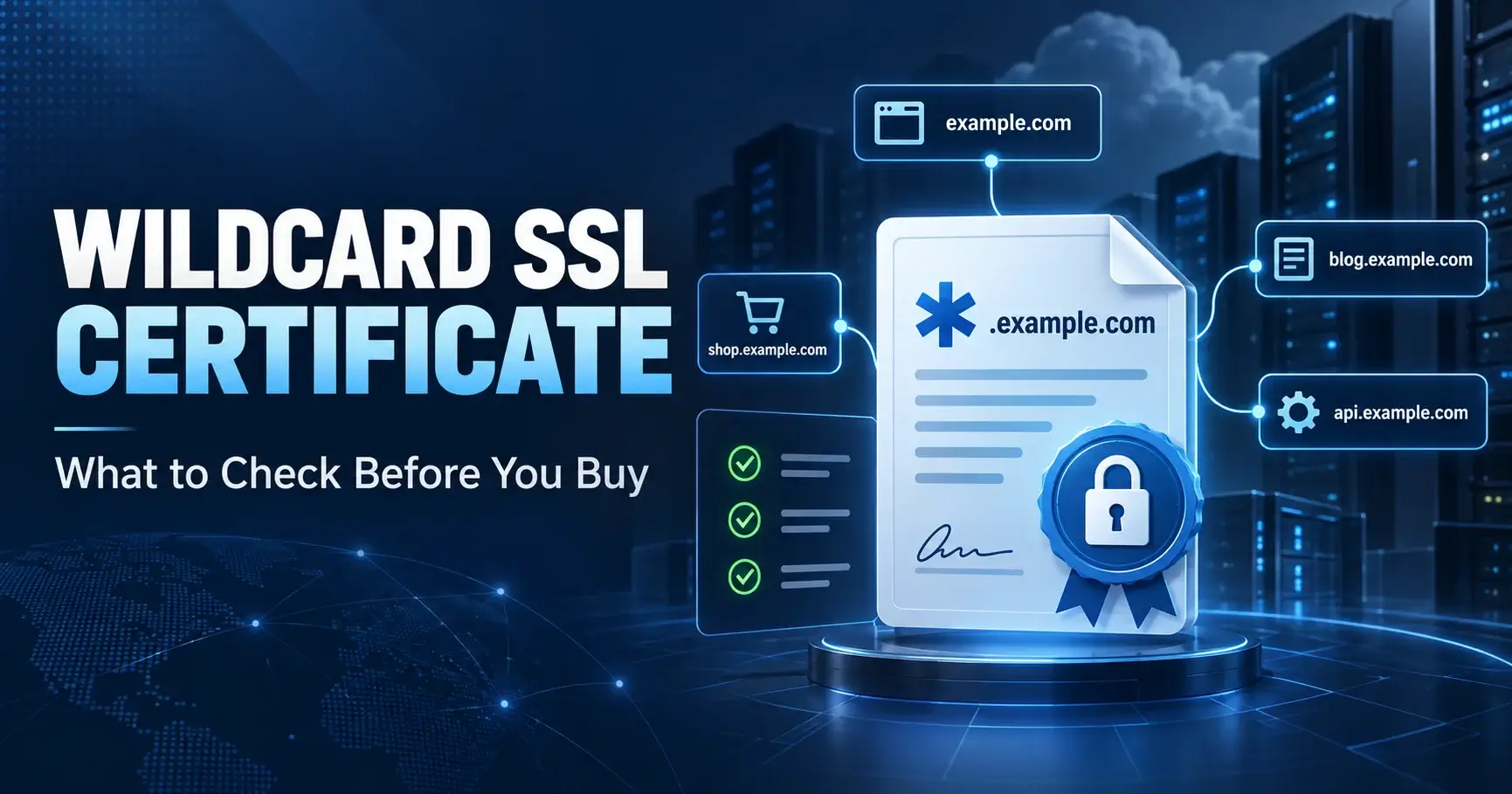
A multi-domain wildcard ssl certificate secures multiple domains and every first-level subdomain of each domain.
Example coverage may include:
- *.example.com
- *.brand.org
The unified certificate protects the root domain and all subdomains of the domain.
The model works best for:
- Agencies that oversee various client digital environments
- SaaS platforms that create subdomains for their clients
- Hosting service providers
- Enterprises that use different domain structures for their national and product operations
The solution enables organizations to expand their operations without needing to purchase additional certificates.
Why Businesses Should Buy Multi-Domain SSL
The decision to purchase multi domain ssl goes beyond encryption because it affects how businesses operate.
Core Advantages
- Cost Efficiency: When companies need to protect multiple domains, they must purchase individual SSL certificates, which leads to higher expenses and more renewal periods. The multi-domain certificate system lets customers combine their expenses into one payment option.
- Centralized Control: Security teams gain visibility across all covered domains under one structured plan. The system lets organizations track their asset life cycle, which helps them detect expired items.
- Simplified Management: One certificate replaces multiple installations and renewals. As infrastructure grows, centralized SSL management prevents organizations from losing track of their certificates while maintaining clear renewal processes.
Certificate Lifecycle Planning
SSL lifecycle management is now an operational discipline.
Shorter certificate validity periods mean more frequent renewals. Without structured monitoring, even one missed renewal can trigger browser warnings across multiple domains.
Best Practices
- Maintain a documented inventory of all SAN entries
- Set renewal alerts well in advance
- Assign clear ownership for certificate management
- Use automated monitoring tools where possible
Proactive lifecycle planning reduces downtime risk and maintains uninterrupted HTTPS coverage.
Deployment and Best Practices
Proper deployment ensures full protection across all listed domains.
CSR and SAN Strategy
- Generate the CSR carefully and include all intended SAN entries
- Verify domain spellings before submission
- Confirm validation emails or DNS records promptly
Configuration Standards
- Install intermediate certificates correctly
- Enforce HTTPS across every domain
- Redirect HTTP traffic consistently
TLS Hardening
- Disable outdated protocols
- Use only TLS 1.2 and TLS 1.3
- Configure strong cipher suites
Deployment precision directly affects user trust and browser compatibility.
Security Hardening Checklist
SSL protects data in transit, but broader infrastructure security remains critical.
Infrastructure Security Essentials:
- Deploy a Web Application Firewall such as Cloudflare or ModSecurity
- Maintain proper file and directory permissions
- Disable directory indexing
- Restrict admin panel access through IP rules or multi-factor authentication
- Conduct regular vulnerability scans
Layered security ensures that encryption works within a hardened environment.
Monitoring and Incident Response
Monitoring ensures issues are caught before users notice them.
Continuous Monitoring
- SSL expiry tracking tools
- Certificate transparency monitoring
- HTTPS uptime checks
If a Certificate Expires
- Renew immediately
- Clear server and CDN cache
- Verify installation across all domains
If a Private Key Is Compromised
- Revoke the certificate
- Generate a new CSR
- Reissue and reinstall
- Audit access logs
Swift response preserves trust and prevents extended exposure.
FAQs
What does it mean to buy multi-domain SSL?
To buy multi-domain SSL means purchasing a certificate that secures multiple separate domains under one installation. It allows centralized management and reduces the need to track multiple certificates individually.
When should I use a multi-domain wildcard ssl certificate?
You should use a multi-domain wildcard ssl certificate when you manage several domains and also require unlimited subdomain protection for each. It is ideal for scalable infrastructures and multi-brand operations.
Is multi-domain SSL more cost-effective than separate certificates?
Yes, consolidating domains under one certificate typically reduces administrative overhead and renewal complexity. Over time, it simplifies management and lowers operational costs.
What happens if the private key is compromised?
If a private key is compromised, the certificate must be revoked immediately. A new CSR should be generated, and a fresh certificate must be issued and installed to restore secure operations.
Conclusion
Modern infrastructure rarely revolves around a single domain. Businesses operate digital ecosystems that include brand sites, regional portals, APIs, and client environments. Managing separate SSL certificates for each domain increases complexity and risk.
Multi-Domain SSL simplifies encryption across distributed properties, while the multi-domain wildcard ssl certificate delivers scalability for environments with extensive subdomain structures.
If your infrastructure includes multiple domains, the strategic move is clear: buy multi domain ssl and centralize your certificate management. Strong encryption combined with simplified lifecycle control ensures your digital assets remain secure, scalable, and operationally efficient.