Introduction to Cheap Positive SSL and Why It Matters Today
Digital trust has quietly become the backbone of online business. Whether a visitor is entering payment details, submitting a contact form, or logging into a SaaS dashboard, they are implicitly asking one question: Is this website secure?
For startups, agencies, and hosting providers operating under tight budgets, deploying enterprise-grade security everywhere can feel expensive. That’s where cheap positive ssl certificates play a strategic role.
They provide reliable encryption at an affordable cost, allowing organizations to secure websites quickly without compromising compliance requirements or user trust signals. For many early-stage businesses and smaller digital properties, this type of SSL certificate becomes the first step in building a robust digital trust infrastructure.
What Is an SSL Certificate? (Simple Explanation)
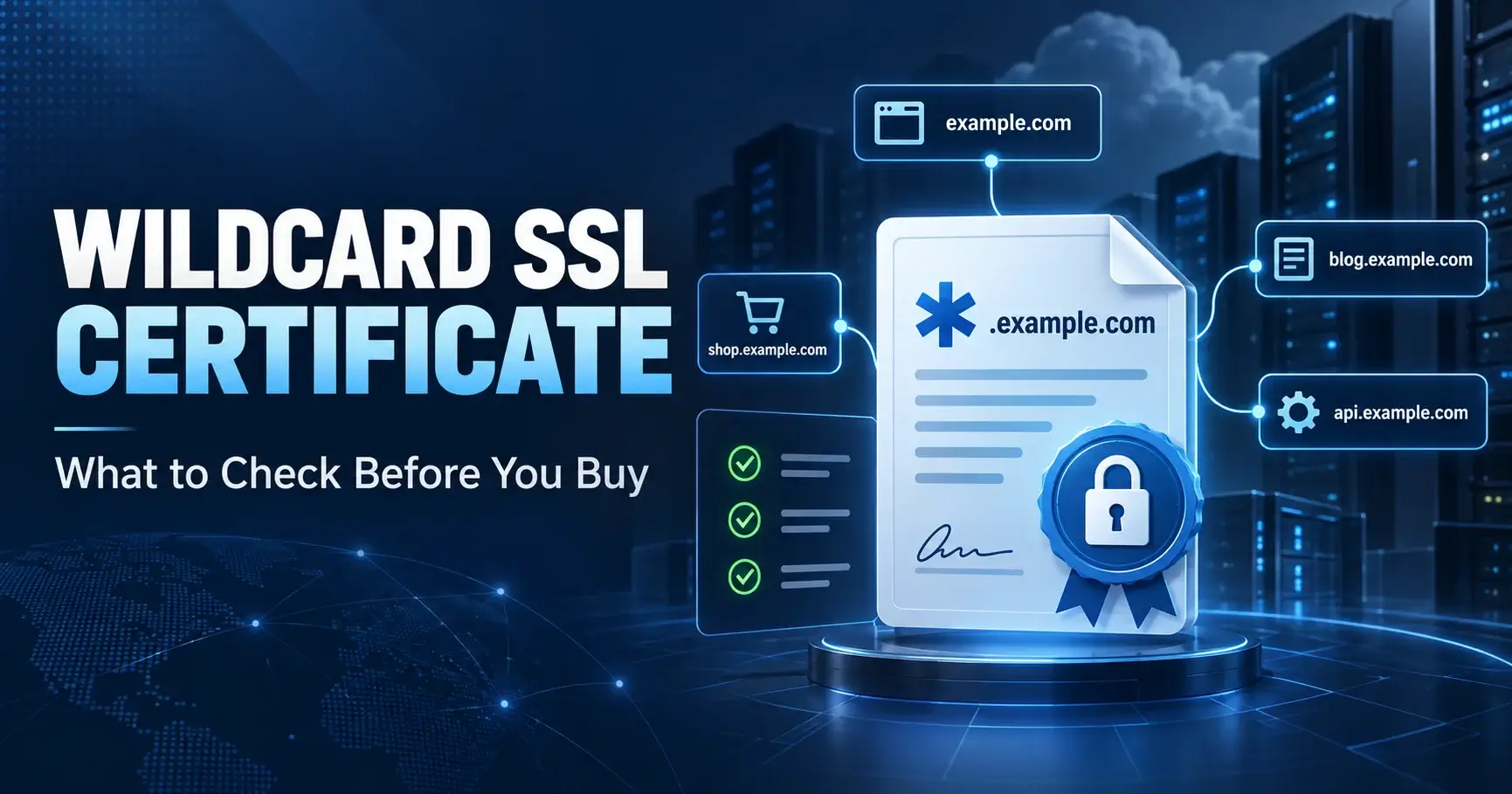
An SSL certificate (Secure Sockets Layer certificate) enables encrypted communication between a user’s browser and a website’s server.
When installed, it ensures three critical security functions:
- Encryption: Protects sensitive data such as login credentials and payment information.
- Authentication: Confirms the website is genuine and not a malicious imitation.
- Data Integrity: Prevents data from being altered during transmission.
Technically, SSL uses public-key cryptography, typically leveraging RSA 2048-bit or ECC encryption, combined with TLS protocols to secure data exchanges.
Without SSL, data travels across the internet in plain text, making interception easy for attackers.
Why Website Security Is Non-Negotiable in 2026
Cybersecurity expectations have evolved dramatically.
Today, browsers and search engines actively penalize insecure websites. Consider these realities:
- Google prioritizes HTTPS websites in ranking signals.
- Browsers mark HTTP websites as “Not Secure.”
- Data protection regulations demand encryption for sensitive data.
- Customers abandon websites that appear unsafe.
Even a simple business website must meet baseline security standards. That’s why entry-level certificates like cheap positive ssl have become essential for digital-first organizations.
Understanding Cheap Positive SSL Certificates
Not all SSL certificates are designed for large enterprises or complex infrastructures. Some are purpose-built to deliver strong encryption without the complexity or cost of extended validation processes.
What Makes It “Cheap” Yet Reliable?
The term “cheap” creates confusion, but it does not mean weak security. because it describes low-cost products and products that have weak security protections.
The affordable price results from:
- Domain Validation (DV) instead of organization verification
- Automated issuance processes
- Minimal administrative overhead
The Certificate Authority can issue certificates at lower costs because it only needs to verify domain ownership and not company identity.
The certificates maintain their value because they offer three security features, which include:
- 256-bit encryption
- 2048-bit RSA keys
- TLS protocol support
- Industry-standard security compliance
The encryption strength remains identical to higher-priced certificate products.
Overview of Comodo Positive SSL Certificate
One of the most recognized options in this category is the Comodo Positive SSL certificate, widely used by hosting providers, developers, and small businesses.
It offers a straightforward way to enable HTTPS while maintaining compatibility across modern browsers and devices.
Features and Encryption Strength
Typical features include:
- 256-bit SSL encryption
- 2048-bit RSA signature
- Domain validation authentication
- Static site seal
- Warranty protection
- TLS compatibility across modern protocols
From a technical standpoint, the encryption layer meets the same cryptographic standards used across enterprise environments.
Validity and Browser Compatibility
Another reason these certificates remain popular is their broad compatibility.
They work seamlessly with:
- Chrome
- Firefox
- Safari
- Edge
- Mobile browsers
- IoT-enabled browsers
This ensures that visitors never encounter browser trust warnings, an issue that can significantly damage user confidence.
Key Benefits of Using Cheap Positive SSL
For organizations building their digital footprint, adopting an entry-level SSL certificate delivers tangible operational advantages.
Cost-Effective Security for Startups
Startups often face a dilemma: invest heavily in infrastructure or prioritize growth initiatives.
Deploying cheap positive SSL certificates allows companies to secure multiple domains without stretching security budgets.
This approach is particularly useful for:
- Landing pages
- SaaS dashboards
- MVP platforms
- Agency client sites
- WordPress websites
- Development environments
Instead of delaying security implementation, organizations can deploy encryption immediately.
Quick Issuance and Easy Setup
Unlike organization validation certificates that require manual verification, DV certificates are typically issued within minutes.
The process usually involves:
- Domain control verification
- Certificate generation
- Server installation
- HTTPS activation
For developers and DevOps teams, this streamlined workflow reduces deployment friction significantly.
Improves SEO Rankings (Google Signal Update)
Search engines increasingly reward secure websites.
Google has confirmed HTTPS as a ranking signal for several years, and its importance has grown with AI-powered search systems evaluating trustworthiness.
Installing a cheap positive ssl can contribute to:
- Better crawlability
- Improved search ranking signals
- Reduced browser security warnings
- Higher user engagement
Even small improvements in search visibility can generate meaningful revenue impact.
Builds Customer Trust Instantly
Trust signals strongly influence user behavior.
A secure HTTPS connection provides visible indicators such as:
- Padlock icon
- Secure browsing indicator
- Encrypted data transmission
These subtle visual cues reassure visitors that their information is protected. For e-commerce sites, this reassurance can directly influence conversion rates.
Cheap Positive SSL vs Other SSL Types
While domain validation certificates are widely used, they represent only one category of SSL certificates.
DV vs OV vs EV SSL Comparison
| SSL Type | Validation Level | Ideal Use Case |
| DV SSL | Domain ownership verification | Blogs, startups, landing pages |
| OV SSL | Organization identity verification | Business websites |
| EV SSL | Extended corporate verification | Financial services, banks |
When to Choose Each Type
Use a cheap positive ssl when:
- You need quick encryption
- The site does not process sensitive financial transactions
- Budget efficiency matters
- Rapid deployment is required
Choose OV or EV certificates when:
- Brand trust must be visibly verified
- Compliance standards require identity validation
- Financial transactions occur frequently
Understanding these differences helps organizations design the right security architecture.
Latest SSL Industry Trends (2026 Updates)
The SSL ecosystem continues evolving as security requirements tighten.
Shorter Certificate Lifespan Trend
Certificate validity periods are shrinking.
Shorter lifespans improve security because they:
- Reduce risk of key compromise
- Encourage frequent cryptographic updates
- Support automated lifecycle management
Many organizations now integrate certificate renewal into automated infrastructure pipelines.
Rise of Automated SSL Management
Automation tools and APIs are transforming certificate management.
Large organizations increasingly rely on:
- Automated renewal systems
- Certificate monitoring platforms
- DevOps-integrated security workflows
This eliminates manual certificate tracking errors.
Increasing HTTPS Adoption Worldwide
Today, HTTPS adoption has crossed 90% of global web traffic.
Search engines, browsers, and hosting platforms now assume encryption as the default standard, not an optional upgrade.
How to Choose the Right Cheap Positive SSL Provider
Choosing the right provider involves more than comparing prices.
Pricing vs Value Consideration
Low pricing should not compromise reliability.
Evaluate:
- Certificate authority reputation
- Encryption standards
- Browser compatibility
- issuance speed
A poorly issued certificate can create browser warnings that harm brand credibility.
Support and Warranty Factors
Professional providers typically offer:
- Security warranties
- 24/7 support
- Installation assistance
- Compatibility guidance
For agencies managing multiple client websites, these support features are especially valuable.
Step-by-Step Guide to Install Cheap Positive SSL
Implementing SSL is far simpler today than it was a decade ago.
Buying Process Explained
The typical purchase workflow includes:
- Select certificate type
- Generate a CSR (Certificate Signing Request)
- Verify domain ownership
- Download the issued certificate
- Install on the hosting server
Most hosting providers also support automated SSL installation.
Installation Basics
After issuance, installation typically involves:
- Uploading certificate files to the server
- Configuring web server settings
- Enforcing HTTPS redirects
- Updating internal site links
Once complete, the site becomes fully encrypted.
Common Mistakes to Avoid
SSL deployment mistakes often stem from a misunderstanding of certificate types.
Choosing the Wrong SSL Type
Organizations sometimes deploy DV certificates for systems requiring identity verification.
This mismatch can create compliance risks or weaken brand trust.
Ignoring Renewal Timelines
Expired certificates can break websites instantly.
Consequences include:
- Browser security warnings
- Loss of customer trust
- SEO penalties
- Interrupted services
Automated renewal systems help prevent these incidents.
FAQs
1. Is Cheap Positive SSL secure enough for business websites?
Yes. It delivers industry-standard 256-bit encryption that protects user data during transmission, making it a reliable security layer for most websites.
2. How quickly can Cheap Positive SSL certificates be issued?
Usually, within minutes after domain ownership verification, allowing websites to activate HTTPS security almost instantly.
3. Does Cheap Positive SSL help with SEO rankings?
Yes. Google favors HTTPS-enabled websites, so installing SSL can improve search visibility and strengthen website credibility signals.
4. Is the Comodo positive ssl certificate trusted by all browsers?
Yes. It is widely recognized and compatible with all major browsers and mobile devices, ensuring users never see security warnings.
5. When should a business upgrade from Cheap Positive SSL to OV or EV SSL?
Upgrade when your website handles payments, sensitive data, or requires visible business verification to strengthen customer trust.
Conclusion
Security has become a fundamental pillar of digital business operations. Customers, search engines, and regulatory frameworks all expect encrypted communication by default.
For startups, developers, and agencies seeking an affordable yet reliable solution, Cheap Positive SSL offers an efficient entry point into modern web security.
It delivers strong encryption, rapid deployment, and broad browser compatibility, allowing organizations to protect user data while building digital trust.
More importantly, it ensures that even early-stage businesses can establish a secure foundation for long-term growth in an increasingly security-conscious internet ecosystem.